
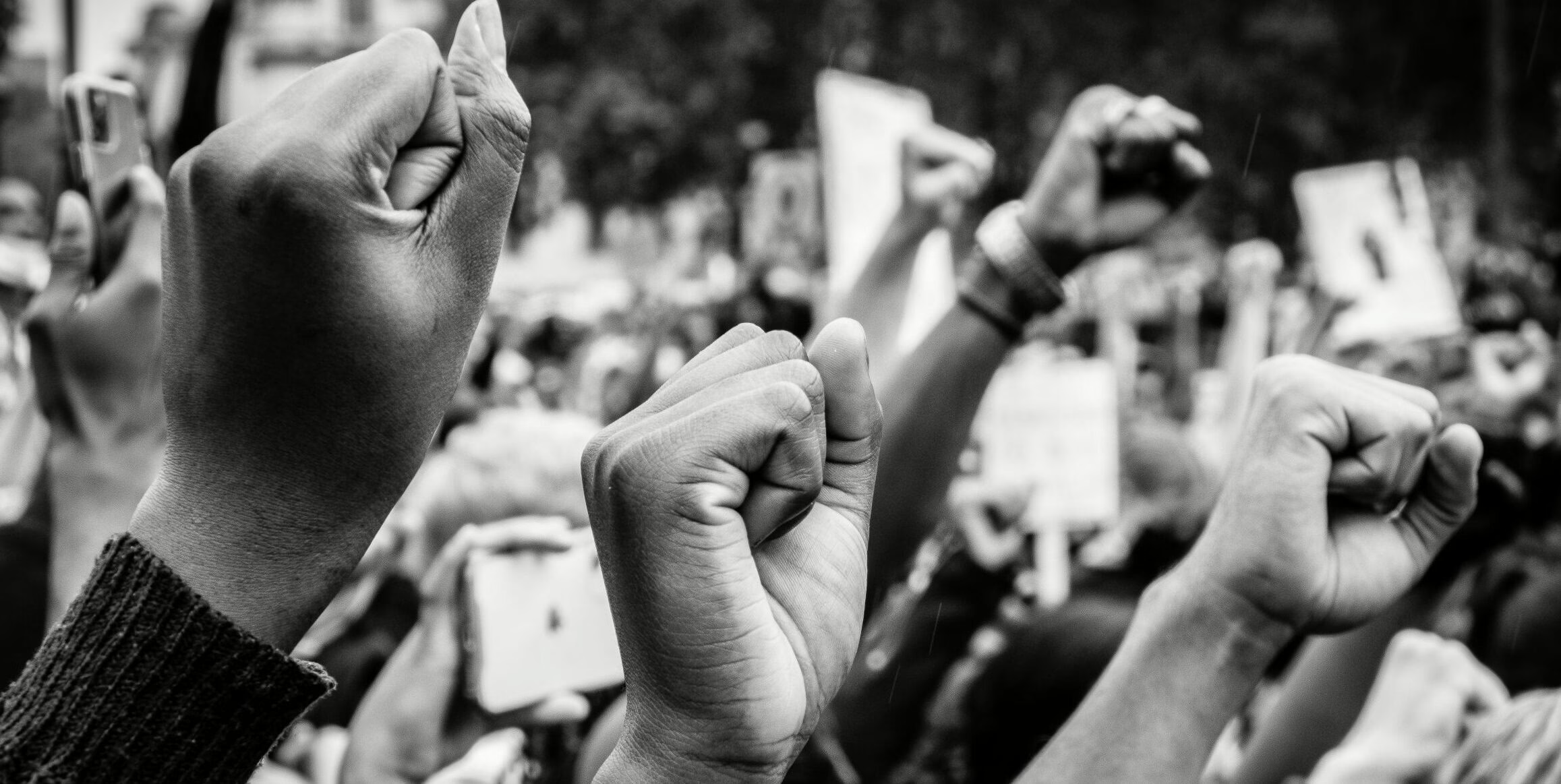
Democracy is often described as government by the people, for the people. At its core, it thrives on active participation, informed decision-making, and citizen engagement in shaping policies that govern their lives. Among all segments of society, youth hold a uniquely powerful position in shaping the future of democracy. Their energy, creativity, and willingness to challenge established norms make them catalysts for change, capable of redefining governance, accountability, and social justice.
Why Youth Engagement Matters
Youth represent a substantial portion of the global population. According to the United Nations, people aged 15 to 24 account for nearly 16% of the world’s population. Their sheer numbers mean they can significantly influence political outcomes, provided they are engaged and mobilized. Beyond numbers, young people bring fresh perspectives to politics, often challenging outdated systems and pushing for progressive policies that reflect the realities of the modern world.
Active youth participation ensures that democratic institutions remain dynamic rather than stagnant. When young citizens are involved, issues such as education reform, climate change, digital rights, and social equity gain prominence on political agendas. Without youth engagement, democracies risk becoming disconnected from the evolving aspirations of the population they serve.
Youth as Voters and Political Activists
Voting is one of the most direct ways for young people to influence democracy. Encouraging first-time voters and sustaining youth turnout is critical. When youth actively participate in elections, they can shape policies that directly affect their lives, including employment, healthcare, education, and environmental sustainability.
Beyond voting, young people often engage in activism that brings attention to societal issues. Movements such as climate strikes, campaigns for gender equality, and protests against corruption highlight the capacity of youth to mobilize communities and influence decision-makers. Social media has amplified this effect, allowing young activists to organize, advocate, and educate on a scale that was unimaginable a few decades ago.
The Power of Education and Awareness
Education plays a crucial role in empowering youth to contribute effectively to democracy. Civic education, which encompasses understanding political systems, rights and responsibilities, and the importance of participation, equips young citizens with the tools to engage thoughtfully in governance. Schools, universities, and community programs that emphasize critical thinking, debate, and discussion nurture informed and active participants in democratic processes.
Awareness also extends to understanding global issues and cross-cultural perspectives. Exposure to international political trends, human rights issues, and technological developments helps young citizens develop a broader vision. An informed youth is less susceptible to misinformation and manipulation, ensuring that democracy remains resilient against forces that seek to undermine it.
Youth and Technological Innovation in Democracy
The digital revolution has transformed how young people interact with democracy. Social media platforms, online campaigns, and digital voting initiatives have facilitated the youth’s ability to express opinions, organize movements, and hold governments accountable. Technology empowers them to demand transparency, monitor election processes, and advocate for policies that reflect the values of inclusivity and equity.
Moreover, youth-led innovations in civic technology—such as apps that track government spending or platforms for citizen engagement—demonstrate how younger generations can modernize democratic processes. By integrating technology into governance, youth help create a more participatory, transparent, and responsive democracy.
Challenges Faced by Youth in Democracy
Despite their potential, young people face barriers that limit their influence. Older generations dominate political systems in many countries, often creating structural obstacles for youth participation. Economic inequalities, limited access to education, and social marginalization can also prevent young citizens from fully engaging in democratic processes.
Additionally, the rapid spread of misinformation on digital platforms threatens youth democratic engagement. Navigating complex political narratives requires critical thinking and media literacy, which are not always adequately developed in all educational systems. Addressing these challenges is essential to ensuring that youth can contribute meaningfully to the democratic process.
Encouraging Youth Participation
To harness the full potential of youth in shaping democracy, governments, educational institutions, and civil society must create inclusive platforms for engagement. This can include:
- Lowering barriers to voting by simplifying registration processes and offering educational campaigns.
- Supporting youth-led organizations and initiatives that advocate for civic engagement.
- Incorporating civic education into school curricula from an early age.
- Encouraging dialogue between youth and policymakers to ensure that young voices are heard in decision-making.
When these measures are implemented, young citizens not only participate actively but also cultivate a culture of democratic values that extends to future generations.
Conclusion
The future of democracy is intricately tied to the engagement of its youth. Their involvement ensures that democratic institutions remain vibrant, adaptive, and responsive to societal needs. By voting, advocating, innovating, and educating themselves, young people become agents of change, driving social progress and holding governments accountable.
Empowering youth is not just a moral imperative; it is a practical necessity for the survival and evolution of democratic societies. As guardians of the future, the younger generation bears both the responsibility and the opportunity to shape a democracy that is fairer, more inclusive, and more reflective of humanity’s collective aspirations.
By fostering active participation, critical thinking, and civic responsibility among young people, societies ensure that democracy remains strong, resilient, and capable of meeting tomorrow’s challenges.


Comments are closed, but trackbacks and pingbacks are open.