
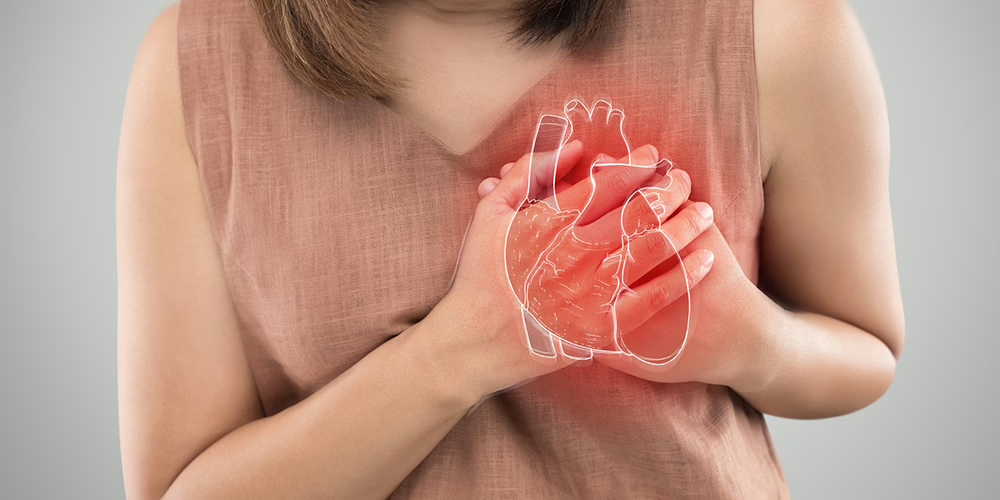
In today’s fast-paced world, lifestyle diseases have become increasingly common. Unlike infectious illnesses, these conditions develop gradually due to unhealthy habits, poor diet, lack of physical activity, chronic stress, and inadequate sleep. The good news is that most lifestyle diseases are preventable—and in many cases, manageable—through natural and sustainable changes in daily living. Understanding these diseases and adopting healthier habits can significantly improve quality of life and long-term well-being.
What Are Lifestyle Diseases?
Lifestyle diseases are health conditions primarily linked to the way people live. They often develop over years and are strongly influenced by behavior, environment, and daily choices. Sedentary routines, processed foods, excessive screen time, smoking, alcohol consumption, and stress are major contributors. If left unaddressed, lifestyle diseases can lead to serious complications and reduced life expectancy.
Common Lifestyle Diseases
1. Heart Disease
Heart disease remains one of the leading causes of death worldwide. High blood pressure, high cholesterol, obesity, and smoking increase the risk. Poor dietary habits and physical inactivity play a significant role in heart-related problems.
2. Type 2 Diabetes
Type 2 diabetes is closely linked to excess weight, poor diet, and lack of exercise. It occurs when the body becomes resistant to insulin or does not produce enough of it. Over time, diabetes can damage the heart, kidneys, eyes, and nerves.
3. Obesity
Obesity itself is a lifestyle disease and a significant risk factor for many other conditions, including heart disease, diabetes, joint problems, and certain cancers. It usually results from consuming high-calorie foods combined with low physical activity.
4. Hypertension (High Blood Pressure)
Often called the “silent killer,” hypertension may not show noticeable symptoms but can lead to heart attacks, strokes, and kidney disease. Stress, excess salt intake, obesity, and inactivity are common triggers.
5. Chronic Respiratory Diseases
Conditions such as asthma and chronic obstructive pulmonary disease (COPD) are often aggravated by smoking, air pollution, and poor indoor air quality.
6. Mental Health Disorders
Stress, anxiety, and depression are increasingly recognized as lifestyle-related conditions. Long working hours, lack of social interaction, poor sleep, and constant digital engagement contribute to mental health challenges.
How to Prevent Lifestyle Diseases Naturally
Preventing lifestyle diseases does not require extreme measures. Small, consistent, and natural changes can make a powerful difference.
1. Adopt a Balanced and Natural Diet
A healthy diet is the foundation of disease prevention. Focus on:
- Fresh fruits and vegetables
- Whole grains and legumes
- Nuts and seeds
- Lean proteins
- Healthy fats like olive oil
Reduce consumption of processed foods, refined sugars, excess salt, and unhealthy fats. Staying hydrated and practicing mindful eating also support better digestion and weight management.
2. Stay Physically Active
Regular physical activity helps maintain a healthy weight, improves heart health, and enhances mental well-being. You don’t need intense workouts—simple activities such as:
- Brisk walking
- Cycling
- Yoga
- Swimming
- Stretching exercises
Aim for at least 30 minutes of moderate activity most days of the week.
3. Manage Stress Naturally
Chronic stress plays a significant role in many lifestyle diseases. Natural stress management techniques include:
- Deep breathing exercises
- Meditation and mindfulness
- Spending time in nature
- Listening to music
- Practicing hobbies
Balancing work and personal life is essential for long-term health.
4. Prioritize Quality Sleep
Poor sleep disrupts hormones, weakens immunity, and increases the risk of obesity, diabetes, and heart disease. Try to:
- Maintain a consistent sleep schedule
- Limit screen time before bed
- Create a calm sleeping environment
- Avoid caffeine late in the day
Adults should aim for 7–8 hours of quality sleep each night.
5. Avoid Harmful Habits
Smoking, excessive alcohol consumption, and substance abuse significantly increase the risk of lifestyle diseases. Quitting these habits naturally improves lung function, heart health, and overall vitality.
6. Maintain a Healthy Weight
Maintaining a healthy weight reduces the strain on your heart, joints, and metabolism. Combining balanced nutrition with regular physical activity is the most natural and sustainable approach.
7. Regular Health Check-Ups
Even when following a healthy lifestyle, regular medical check-ups are essential. Early detection allows timely intervention and prevents complications.
The Power of Natural Prevention
Preventing lifestyle diseases naturally is not about perfection—it’s about consistency. Small daily choices accumulate over time, shaping long-term health outcomes. Choosing nutritious foods, moving your body, managing stress, and caring for mental health can dramatically reduce the risk of chronic illness.
In a world where lifestyle diseases are on the rise, taking control of your health through natural prevention is one of the most empowering decisions you can make. By investing in healthier habits today, you build a stronger, more resilient future for yourself and your loved ones.


Comments are closed, but trackbacks and pingbacks are open.