
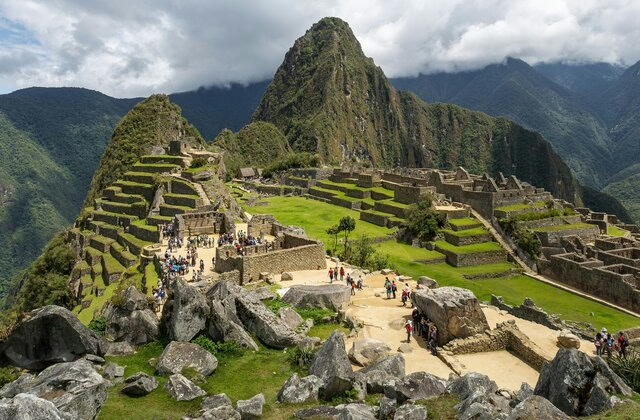
Tourism has long been recognized as one of the most dynamic sectors in the global economy. Beyond offering travelers unforgettable experiences, it plays a vital role in driving economic growth and creating employment opportunities. From small towns to major cities, tourism injects money into local communities, supports small businesses, and stimulates infrastructure development. Understanding how tourism contributes to local economies and employment is essential for both policymakers and communities aiming to harness its potential sustainably.
Tourism as an Economic Engine
Tourism is a powerful economic driver because it generates income through multiple channels. When tourists spend money on accommodation, food, transportation, souvenirs, and activities, they contribute directly to the local economy. Hotels, restaurants, travel agencies, and entertainment venues benefit from this influx of spending, creating a ripple effect that stimulates other sectors, including agriculture, retail, and transportation.
For example, in many developing countries, tourism accounts for a significant share of national GDP. Coastal regions, historic cities, and natural reserves often rely on tourism as an important economic pillar. Beyond immediate spending, tourism encourages investment in infrastructure such as roads, airports, public transport, and communication networks, which, in turn, attract additional business opportunities and improve residents’ standard of living.
Employment Opportunities in Tourism
One of the most significant benefits of tourism is its ability to create employment. The sector is highly labor-intensive, requiring a large workforce across various skill levels. Jobs in tourism are diverse, ranging from hotel staff, tour guides, and travel agents to chefs, drivers, and artisans producing local handicrafts.
Small and medium enterprises, in particular, thrive in tourist destinations. Family-run guesthouses, local eateries, souvenir shops, and guided tour services often hire community members, thereby providing income and opportunities for skill development. In addition, seasonal tourism provides temporary employment that can support students, part-time workers, and rural populations who may have limited income-earning opportunities.
According to the World Travel & Tourism Council (WTTC), tourism accounts for millions of jobs worldwide, directly employing over 300 million people. Indirect employment—jobs created in supporting industries such as construction, agriculture, and retail—further amplifies the sector’s economic impact.
Supporting Local Businesses and Entrepreneurship
Tourism does more than provide jobs; it fosters entrepreneurship and supports local businesses. When travelers seek authentic experiences, they often turn to local markets, artisans, and restaurants, creating demand for products and services that reflect regional culture. This demand encourages small business owners to innovate, maintain quality, and develop new offerings tailored to tourists.
Local communities also benefit from tourism through cultural tourism initiatives, eco-tourism, and heritage preservation projects. For instance, guided cultural tours, cooking classes, and craft workshops provide visitors with unique experiences while generating income for local families. By promoting local entrepreneurship, tourism strengthens economic self-sufficiency and reduces dependency on external investment.
Infrastructure Development and Regional Growth
Tourism often accelerates infrastructure development, which benefits both visitors and residents. Airports, highways, public transport, and healthcare facilities are improved to accommodate tourist flows, which in turn supports broader regional growth. Urban and rural communities alike benefit from improved infrastructure, which facilitates trade, investment, and access to services.
Additionally, tourism can help revitalize underdeveloped or declining regions. Towns with historical or natural attractions that may otherwise be economically stagnant can experience a surge in income and employment opportunities when tourism is promoted strategically. This can encourage residents to remain in their communities rather than migrate to larger cities in search of employment.
Promoting Sustainable Economic Growth
While tourism can significantly boost local economies, sustainable practices are essential to prevent negative consequences, including environmental degradation, cultural erosion, and overdependence on seasonal income. Responsible tourism strategies ensure that the economic benefits are long-lasting and distributed fairly across communities.
Communities that invest in eco-friendly tourism, support local artisans, and promote cultural heritage not only attract more tourists but also preserve resources for future generations. Training programs and workshops can help locals acquire skills to meet tourism demand while maintaining cultural integrity and environmental responsibility.
Case Studies of Tourism Impact
Several regions worldwide demonstrate the transformative effects of tourism on local economies. Cities like Barcelona, Bali, and Dubrovnik have become global tourist hubs, generating billions in revenue and employing thousands of residents. In smaller communities, rural tourism in India, Costa Rica, and Kenya has created opportunities for local guides, farmers, and craft makers, illustrating that even modest tourism can have a significant positive impact when managed effectively.
Conclusion
Tourism is more than leisure; it is an economic powerhouse that stimulates local economies, creates employment opportunities, and fosters entrepreneurship. From direct income in hotels and restaurants to indirect benefits in agriculture, retail, and infrastructure development, tourism’s impact is wide-reaching. When managed sustainably, it can transform communities, support regional development, and improve residents’ quality of life.
By investing in tourism infrastructure, training local workforces, and promoting responsible travel practices, communities can maximize the economic and social benefits of tourism. As global travel continues to grow, the role of tourism in boosting local economies and employment will remain crucial, offering both financial prosperity and cultural enrichment for generations to come.


Comments are closed, but trackbacks and pingbacks are open.